Kalyana Mantapa, Banquet Hall or Resort Lawn: Which Venue Type Suits Your Wedding
The three venue categories most Bangalore families choose between are not three versions of the same thing. They differ on catering, rituals, rooms, weather risk and who is accountable when something fails.
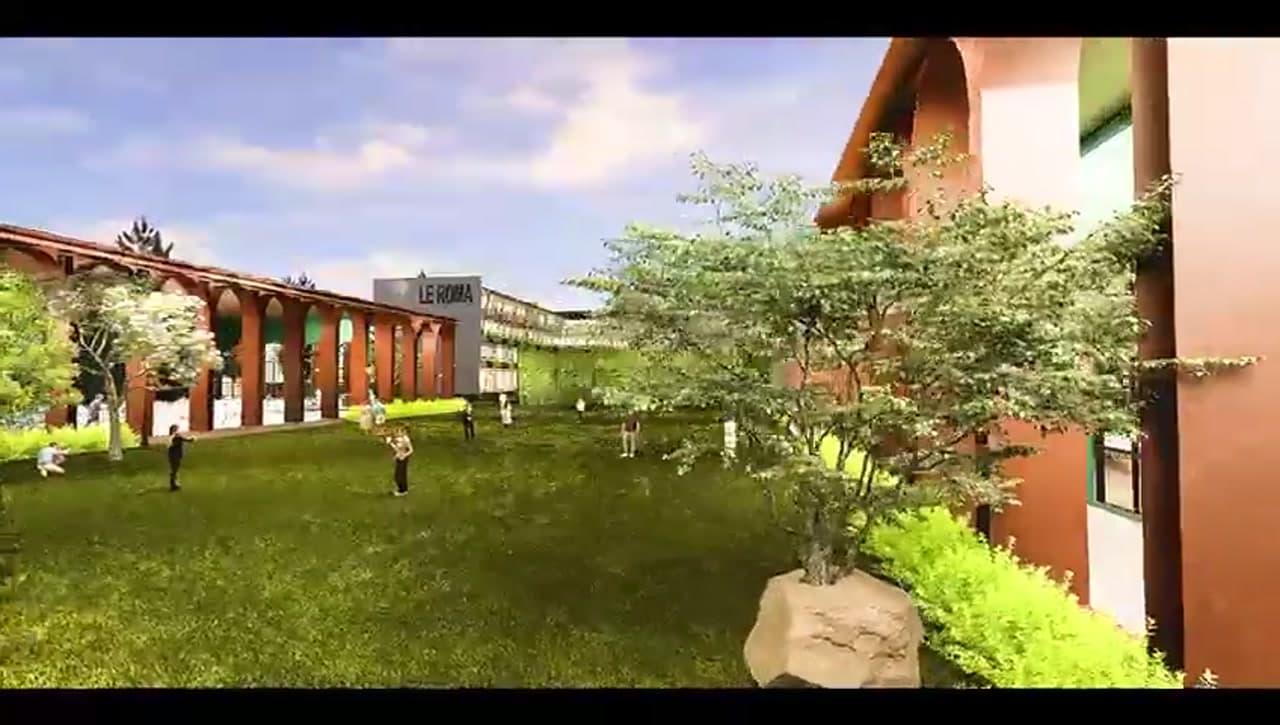
Most Bangalore wedding shortlists end up with three kinds of place on it: a kalyana mantapa, a hotel or resort banquet hall, and an outdoor lawn. Families compare them on price and photographs, which is the least useful axis, because the three categories are structurally different and the differences only surface once you are committed.
What actually separates them is who cooks, who is liable, whether guests can sleep there, and what happens if it rains.
The short version
| Kalyana mantapa | Banquet hall | Resort lawn | |
|---|---|---|---|
| Ritual suitability | Built for it: homa provision, priest facilities | Varies; fire and smoke often restricted | Good, subject to wind and cover |
| Catering | You appoint a caterer, usually from an approved list | In-house kitchen | In-house kitchen |
| Air conditioning | Usually fans, sometimes partial | Yes | No, but Bangalore evenings rarely need it |
| Overnight rooms | Rarely | Usually | Usually |
| Weather risk | Low | None | Real, needs a covered fallback |
| Sound after 10pm | Indoors, permitted | Permitted | Restricted outdoors by law |
| Who is accountable | Split across you and your vendors | The property | The property |
| Typical strength | Rituals and traditional format | Reliability and comfort | Scale and atmosphere |
Kalyana mantapa
A mantapa is purpose-built for the ceremony. The homa provision is designed in rather than negotiated, there is space for the priest and the ritual party to work, and the layout assumes the muhurtham is the centre of the day rather than an item on a schedule. For families where the rituals are non-negotiable and extensive, nothing else is as well fitted.
The trade is the operating model. You appoint the caterer, frequently from the mantapa's approved list, which means food quality and hygiene are your vendor's responsibility rather than the venue's. Decor is usually brought in. Air conditioning is often partial or absent. Overnight accommodation rarely exists on site, so out-of-town guests stay elsewhere and you are coordinating transport.
None of that is a defect; it is the category working as intended. But it makes you the general contractor for your own wedding, and the day's quality depends on how well vendors who have never worked together happen to coordinate.
Banquet hall
An air-conditioned hall is the reliable option, and reliability is worth more than it sounds at 500-plus guests. The kitchen is on site and licensed to the property, service ratios are planned rather than improvised, and the weather is irrelevant. If a plated dinner has to start at a specific minute, this is the category that delivers it.
The constraints are ritual-shaped. Open flame and smoke are often restricted indoors, which matters for a homa, so check what is permitted rather than assuming. Ceiling height caps what can be rigged. And a hall is a room — the atmosphere comes from what you build inside it rather than from the setting itself.
Sizing is where halls get mis-sold. A stated capacity almost always describes standing occupancy, and the seated figure in your actual format is materially lower. We have run the per-guest square footage maths for 500 guests and for a thousand if you want to check a quoted number against your own list.
Resort lawn
An outdoor lawn gives you the thing neither other category can manufacture: scale and open sky. A thousand guests on a large lawn feels generous where the same thousand indoors feels managed. Evening light is better, photographs are better, and Bangalore's climate makes outdoor functions comfortable for most of the year.
Two constraints are structural rather than negotiable.
The first is sound. Karnataka rules stop amplified sound in the open between 10pm and 6am, it is enforced, and no venue can waive it. A reception built around an outdoor DJ needs the music to move indoors at ten, or to start earlier than families usually plan.
The second is weather. A lawn without an adjacent covered space at full headcount is not a plan, it is a hope. The questions that matter are whether the covered space holds everyone rather than a reduced version, how late the call to move can be made, and whether moving changes the catering or decor setup and at what cost. A venue needing four hours' notice is not a real contingency for a shower arriving at five.
Choosing between them
The honest decision rule is to start from the constraint you cannot move.
If the rituals are extensive and traditional, and the ceremony is the day, start with a mantapa and solve accommodation separately. If the wedding is in monsoon season, or the schedule has to hold to the minute, or a large share of guests are elderly, the hall is the safer category. If the guest count is large, the season is dry, and you want the evening to feel like an occasion rather than a function, the lawn earns it — provided the wet-weather fallback is real.
Where Le Roma Gardenia sits
Le Roma Gardenia at Hesaraghatta in North Bengaluru holds two of the three categories on one estate, which is what removes most of the trade-offs above.
The air-conditioned banquet hall is 9,000 sq ft and column-free. The grand outdoor lawn runs 30,000 sq ft and the garden lawn 15,000 sq ft, so a ceremony and a reception can occupy genuinely separate spaces rather than the same room redressed. The hall doubles as the wet-weather plan at full headcount, which means moving indoors is a decision made on the evening rather than a contingency negotiated weeks earlier.
Catering is in-house, so the food licence and the service standard sit with the property rather than a vendor. There are 81 rooms for guests staying over, two restaurants, a sky lounge and parking for 300 cars on site.
What it does not replicate is a purpose-built mantapa. Families whose rituals need that specific provision should say so early, because the answer is about what can be set up on the lawn or in the hall rather than a dedicated ritual structure.
Tell us your format and we will tell you the fitQuestions to ask any venue, in any category
- Who holds the FSSAI licence for the food, and can you appoint your own caterer
- What is permitted for homa and open flame, indoors and out
- Seated capacity in your format, with round tables specified if relevant
- Does the covered fallback hold your full guest count, and how late can the call be made
- What time must outdoor amplified sound stop, in writing
- How many rooms are on site, and how many are held for your dates
- On-site car capacity and valet numbers at peak arrival
- Who is the named coordinator for the event, in writing
Not sure which format fits?
Tell us your guest count, the rituals involved, your date and whether guests are travelling in. We will map it against the hall and the lawns and be honest about what each one does well.
Related reads: